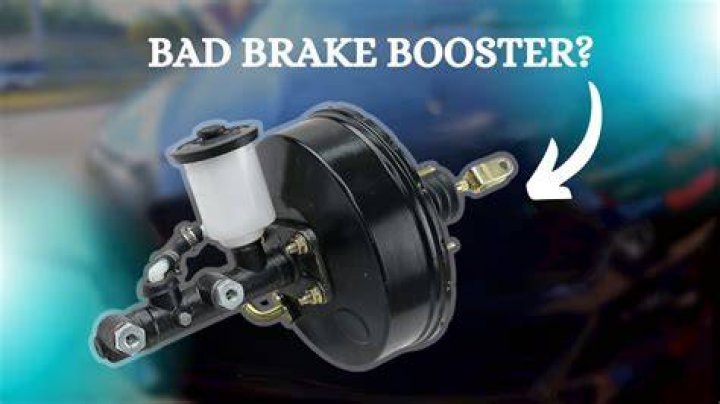
What are the symptoms of a bad brake booster?
Following are the key symptoms you should notice in case your brake booster is about to fail or has failed. The most common and initial symptom you will notice is that the brake pedal becomes hard to push. Moreover, at times the brake pedal may not even return to its original location and might stay glued to the floor.
What should I do if my vacuum brake booster fails?
The worst-case scenario occurs when the vacuum brake booster check valve completely breaks and eventually leads to a brake system failure. Hopefully you never get to this point, but if you do, safely stop the car, have the vehicle towed back home and contact a mechanic who is certified with brake system inspections and replacement.
What happens if you have rust on your brake discs?
If you do not properly maintain your car or take it into a body shop once the rust begins to worsen, the risks you face are: You will start to lose power over your brakes. You will not be able to prevent wheel spin-outs in bad situations, especially on ice or slick roads. It will weaken your rotor.
What to do if your brake booster drops to zero?
If booster vacuum remains at 20HG or drops to zero, replace the brake booster. Apply vacuum to the booster with the pump to bring it back to 20HG. Depress the brake pedal and hold it down for 30 seconds. You should see booster vacuum drop a little and then hold steady for the remaining of the 30 seconds.
What are the symptoms of a bad vacuum brake booster?
Common signs of a faulty vacuum brake booster check valve include the brake pedal being difficult to engage, feeling spongy, or not working at all. 1. Brake pedal is difficult to engage 2. Brakes feel spongy 3. Brakes stop working Average rating from 206 customers who received a Brake System Inspection.
How do you test a faulty brake booster?
The booster is easy to test. If you want to do it yourself, have your dealer show you where the vacuum hose goes into the booster. Then, the next time your brakes lock up, pull over and disconnect that vacuum hose. If the brakes free up, bingo – you need a booster. But it could be a master cylinder, too. Or any of those other things I mentioned.
How does a booster cylinder prevent brake drag?
Booster/Master Cylinder Tech Tips – Preventing Brake Drag in power brake systems. We sell a lot of different boosters and master cylinders, and they all connect together differently.
Where is the push rod on a vacuum brake booster?
Vacuum brake booster configuration. The push rod connects the brake pedal to the brake master cylinder through the center of the brake booster, which multiplies foot pressure on the pedal.
